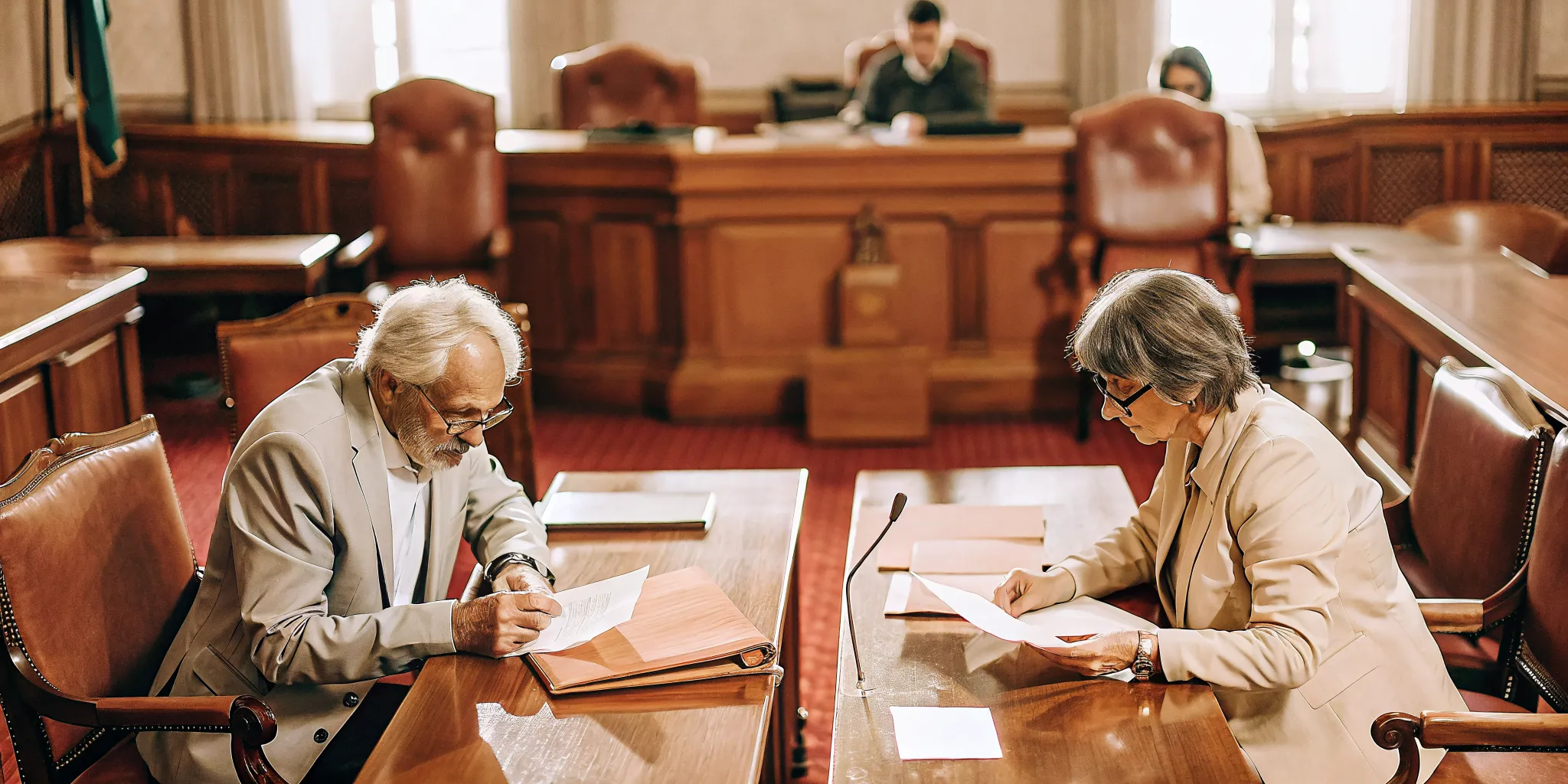
Self-representation can turn a $300,000 arbitration into an avoidable strategic risk. California rules may allow it, but the stakes often argue strongly against it from the outset.
The question "does arbitration require a lawyer" has a general California answer: no, although high-value disputes require a separate strategic decision. Under California rules, a party has the right to attorney representation at any arbitration proceeding or hearing, although that right may be knowingly waived. For a business, high-net-worth individual, or real estate investor facing a $300,000-plus dispute, the better question is whether self-representation creates avoidable risk. Contract interpretation, document discovery, expert testimony, and the consequences of a binding award can affect substantial assets and leave little room for error. Counsel can examine the clause, preserve key arguments, shape the evidentiary record, and prepare a focused presentation for the arbitrator from the start.
The legal minimum is only the starting point. The next section, "Does arbitration require a lawyer in California?", applies that baseline to practical choices before a high-value California dispute gains momentum. The path begins with
Does arbitration require a lawyer in California?
No. California arbitration usually does not legally require a lawyer. A person may choose self-representation, but that choice can carry serious risk in a high-value dispute. If the matter involves a business, real estate interest, or contract, it is prudent to contact a senior attorney early.
The legal rule in California
California rules protect the right to counsel without making counsel mandatory in every case. Under California Rule of Court 3.821, a party has the right to attorney representation at an arbitration proceeding or hearing. The party may also waive that right.
That answer is important, but it is only the starting point. The practical question is whether self-representation makes sense for the dispute at hand. Arbitration may be less formal than a courtroom trial, yet the outcome can still affect valuable property, contract rights, and business relationships.
When self-representation creates risk
A self-represented party must manage more than a hearing date. Business and real estate disputes may turn on contract language, financial records, witness testimony, and expert analysis. A party also needs a clear theory of the case and a disciplined way to present evidence.
The arbitration agreement matters as well. Its terms may shape the forum, available procedures, hearing format, and decision process. Binding and non-binding arbitration should not be treated as interchangeable. Counsel can review the agreement, assess the stakes, and explain the risks before the dispute moves too far.
Those issues become more pressing when ownership, development, investment, or a long-term commercial relationship is involved. An early review may help a party avoid a weak procedural position. It can also clarify whether legal representation for arbitration is appropriate before key decisions are made.
Questions to ask before proceeding alone
Before choosing self-representation, assess the dispute with a practical lens. Consider whether the other side has counsel and whether the documents require close legal reading. Also consider whether witness credibility or expert testimony could decide the result.
- Does the arbitration clause set rules that affect discovery, evidence, or the hearing?
- Could the result change control of property, a company, or an important contract?
- Will the case require financial records, technical proof, or expert testimony?
- Does the other side already have an attorney?
- Would an early legal review reveal risks that are hard to correct later?
For a simple dispute, proceeding without counsel may be a considered choice. For a complex California business, real estate, or contract matter, legal guidance is often the sounder path.
When arbitration is manageable without counsel
Does arbitration require a lawyer in every case? Not always. California court rules state that a party has the right to an attorney at an arbitration hearing, but may waive that right. The California Courts rule on representation makes that choice clear. Whether it is a sound choice depends on the dispute, the agreement, and the risks involved.
Signs of a simpler dispute
Self-representation may be realistic when the amount at stake is modest and the claim is narrow. The key facts should be easy to show with a short set of records. Helpful records may include a signed contract, invoices, payment records, notices, and a clear timeline of events.
Contract terms also matter. A dispute is easier to present when the key clause is direct and both sides agree on the basic facts. A claim may be more manageable if it does not turn on a technical standard, a long course of dealing, or several related agreements.
Documents and witnesses
Organization can make a large difference. A self-represented party should be able to explain what happened, point to the key records, and state the requested result. It helps to sort documents by date and label each item before any hearing.
Limited witness needs are another practical sign. A simple matter may involve only the parties and a small number of records. The analysis changes when a dispute needs expert testimony, many witnesses, or a broad document review. Those features can add both legal and factual complexity.
Questions before proceeding alone
Before choosing self-representation, consider whether the arbitration is binding or non-binding. Also review the governing rules, deadlines, hearing format, and any limits in the arbitration clause. A missed step can affect how a party presents a claim or response.
- Is the contract language plain and easy to apply?
- Can the claim be shown with a short, organized document set?
- Are the witnesses few in number and easy to schedule?
- Is the requested result clear and supported by the records?
- Does the dispute avoid expert opinions and complex damages issues?
Even a simple matter can raise questions that deserve a legal review. A party may seek advice on a limited issue before deciding how to proceed. For higher-value or more complex disputes, legal representation for arbitration can help assess the contract, process, and case strategy.
When should you hire a lawyer for arbitration?
When the dispute carries serious exposure
Does arbitration require a lawyer in every case? No. A California court rule gives each party a right to be represented by an attorney at an arbitration proceeding or hearing. A party may waive that right. The better question is whether handling the matter alone would put too much at risk.
Consider hiring counsel when a claim or counterclaim creates major financial exposure. The need is stronger when a decision could affect ownership, cash flow, or a long-term contract. A business arbitration attorney can also assess settlement options before a hearing becomes the only path forward.
Some disputes carry stakes that go beyond the claimed amount. An award can affect a company's reputation, a working relationship, or the practical value of a real estate interest. Those risks call for a clear case plan from the start.
Procedural and evidentiary pressure points
Counsel becomes more important when the case depends on documents, witness testimony, or a technical opinion. Discovery disputes can shape which records reach the arbitrator. Expert testimony may require careful selection, preparation, and testing against the other side's position.
Seek legal advice early if the other party requests an injunction or similar urgent relief. The same applies when a counterclaim changes the size or scope of the case. Waiting can leave less time to gather records, prepare declarations, and choose a sound response.
- Consider counsel when contract terms are disputed or several agreements overlap.
- Get advice when the matter involves title, ownership shares, leases, or development rights.
- Use counsel when the dispute could affect customers, investors, lenders, or business partners.
- Ask for help when document requests become broad, costly, or hard to answer.
Settlement strategy and the award
A lawyer's work is not limited to the hearing. Early case review can help define the strongest claims, test weak points, and set a settlement range. This can improve the quality of negotiations without treating settlement as a concession.
Counsel can also plan for the award before the hearing begins. That includes reviewing what relief to request and considering how a favorable award may be enforced. If payment, property rights, or ongoing business duties matter, those details should not be left until the end.
For a high-stakes California matter, legal representation for arbitration can provide a structured path from case review through resolution. The key is to involve counsel before an urgent filing or discovery dispute narrows the available options.
What a lawyer actually does in arbitration
Does arbitration require a lawyer? Not in every case. California rules state that a party has a right to representation by an attorney at an arbitration proceeding or hearing, but that right may be waived. The better question is whether the dispute can be presented well without counsel.
Work before the hearing
A lawyer starts with the contract, not the hearing room. The arbitration clause may shape the forum, governing rules, available remedies, and arbitrator selection process. Counsel also tests the strengths and gaps in each claim before committing to a case strategy.
Review the arbitration clause. Counsel reads the contract, related agreements, and notice terms. This shows which disputes belong in arbitration and which procedural rules apply.
Help select the arbitrator. Counsel reviews candidates for subject matter experience, conflicts, and fit. In a complex business dispute, that choice can shape how technical issues are handled.
Frame the claims and defenses. Counsel prepares the demand or response and ties each position to the contract and evidence. A clear theory helps keep the case focused.
Build the evidence record. Counsel gathers contracts, emails, financial records, and witness accounts. The lawyer also plans document requests, expert input, and any motions allowed by the rules.
Prepare witnesses. Counsel explains the process, organizes testimony, and tests weak points before the hearing. Preparation should improve clarity without changing the witness's account.
Present the hearing. Counsel handles opening points, witness questions, exhibits, legal arguments, and the requested remedy. The work is structured, even when the proceeding is less formal than court.
Address the award. After the decision, counsel assesses payment, settlement options, and next steps. Those steps may include seeking confirmation of the award or reviewing any basis for a challenge.
Strategy during the case
Arbitration is not just a shorter version of litigation. A lawyer keeps the evidence plan aligned with the forum's rules while tracking settlement options. For a California business dispute, legal representation for arbitration can help a party decide what to press, narrow, or resolve.
Decisions after the award
The final award does not always end the practical work. Counsel reviews the result, explains the available path, and helps plan enforcement or a possible challenge. If the dispute grows from a commercial conflict, a business arbitration attorney can also assess related claims and settlement terms.
Arbitration without a lawyer vs. with a lawyer
The short answer
Does arbitration require a lawyer? Not always. California rules state that a party has a right to attorney representation at an arbitration hearing, but may waive that right. The California Courts rule on arbitration counsel makes that choice clear.
That choice still calls for a practical risk review. A self-represented party must manage the case while also protecting its position. Counsel can take responsibility for preparation, procedure, evidence, settlement discussions, and planning for enforcement.
Side-by-side considerations
The right path depends on the value and complexity of the dispute. It also depends on the party's ability to prepare a clear case under the governing agreement. The following comparison shows where the work falls in each approach.
| Issue | Without a lawyer | With senior-attorney representation |
|---|---|---|
| Cost control | Avoids legal fees, but shifts preparation work to the party. | Adds legal fees, with counsel focused on the work the dispute requires. |
| Preparation burden | The party organizes records, deadlines, witnesses, and hearing materials. | Counsel builds the case plan and prepares the hearing record. |
| Procedure and evidence | The party must frame issues and present evidence without legal guidance. | Counsel develops procedural strategy and handles evidence presentation. |
| Negotiation | The party evaluates proposals while managing the case. | Counsel can assess proposals against the claims, defenses, and hearing plan. |
| Enforcement planning | The party must plan for the steps that may follow an award. | Counsel considers post-award needs as part of the case strategy. |
When the stakes warrant counsel
Self-representation may fit a narrow dispute with manageable records and a modest business impact. The balance changes when a case involves key contracts, disputed facts, expert input, or a large claim. Those matters often demand sustained preparation before the hearing begins.
Counsel can also review the arbitration clause and define the issues early. That work helps shape discovery requests, witness preparation, hearing exhibits, and settlement analysis. It can reduce the risk of making a key decision without a full view of the record.
For a high-value California dispute, legal representation for arbitration can provide structure from the first case review through the award. Senior-attorney involvement also keeps strategy with the lawyers handling the dispute. Core work is not split across layers of staff.
The decision is not only about fees. It is about who will test the evidence, manage the process, assess settlement options, and prepare for what comes next.
How California dispute value changes the decision
The value is only the starting point
California rules give each party the right to have an attorney in arbitration. That right may be waived. The practical choice is not a checkbox. It is a risk decision tied to the claim, the contract, and the business impact.
For a California business, investor, or high-net-worth individual, a $300,000-plus dispute can affect more than the amount demanded. A loss may also affect control rights, property plans, or an ongoing business relationship. For high-value matters, asking whether arbitration requires a lawyer is too narrow.
The full exposure
The amount in dispute should be reviewed beside what the contract governs. A real estate dispute may involve title, development timing, or control of an asset. A business dispute may turn on ownership, payment duties, or exit terms.
- The dollar demand and any counterclaim exposure.
- Contract terms that may affect remedies, deadlines, or the hearing process.
- Business effects that may continue after the award, such as asset control or partner relations.
The legal spend should be weighed against the full exposure, not viewed in isolation. A claim may look direct at first. The record can still show several contract readings, fact disputes, and remedy questions that need a clear strategy.
Also ask how much work the record will require. Key emails, deal documents, witness accounts, and expert input can shape the presentation. A business arbitration attorney can help test the claim, narrow the issues, and plan the hearing around what matters most.
If your dispute involves at least $300,000, request a free 20-minute legal assessment before choosing a self-represented path. Bring the contract, the amount at stake, and the next known deadline.
A decision made early
Waiting until the hearing is close can limit the value of legal advice. Counsel may need time to review the arbitration clause, assess available proof, and frame the relief requested. Early review also helps separate a simple payment claim from a dispute with wider business effects.
The question is not just whether you can appear without counsel. It is whether doing so makes sense when the award may affect an asset, a company, or an investment. The answer depends on the value at risk and the complexity behind it.
What should you do before the first arbitration deadline?
If you are asking, "does arbitration require a lawyer," start by checking the first deadline. California rules state that a party has a right to representation by an attorney at an arbitration proceeding or hearing. That right may be waived. Early choices can shape the process.
Your pre-deadline checklist
Use the first deadline as a planning point, not a last-minute filing date. The following steps help organize the facts, the governing rules, and the choices that need review.
Preserve relevant records. Keep contracts, amendments, notices, emails, text messages, invoices, payment records, and project files. Do not delete or change documents that may bear on the dispute.
Calendar each known date. Record the response deadline, conference dates, hearing dates, and any due dates stated in the arbitration notice. Add time for review before each date.
Read the arbitration clause and rules. Check the contract, the demand, and the named forum's rules. Note how the arbitrator is selected and what submissions are due first.
List possible witnesses. Identify people with first-hand knowledge of the contract, performance, communications, payments, or claimed harm. Note what each person can explain and where related records are stored.
Assess settlement posture. Review what outcome would protect the business, which terms may be negotiable, and what information is still missing. Avoid making concessions before the record is understood.
Get a legal assessment. Ask counsel to review the clause, claim, defenses, rules, and first filing. This review should happen before waiving rights or making procedural choices that may be hard to correct.
Rules before strategy
Arbitration is less formal than courtroom litigation in some respects, but it still follows a defined procedure. The applicable contract and forum rules may affect the response, evidence exchange, hearing plan, and arbitrator selection process.
Early legal review
Self-representation may be allowed, but permission is not the same as a sound strategy. A California legal representation for arbitration review can help a party understand the agreement, the deadlines, and the available options before the first filing.
Bring the notice, contract, key communications, and a short timeline to the first meeting. Counsel can then focus on the choices that need prompt attention without losing time to basic document collection.
Frequently Asked Questions
Can you do arbitration without a lawyer?
Yes. An individual may represent themselves in arbitration and seek legal advice later, according to the American Arbitration Association. However, a California dispute involving substantial assets may require contract analysis, document discovery, witness preparation, and motion practice. Self-representation can create avoidable risk when a binding award may decide a business or real estate claim.
Is it mandatory to have a lawyer for arbitration?
No. Under the California Rules of Court, a party has a right to legal representation during an arbitration proceeding or hearing. That right may be waived. Whether proceeding without counsel is sensible depends on the arbitration agreement, the applicable rules, the amount at stake, and whether the award will be binding.
When should I hire an attorney for an arbitration case?
Consider hiring an attorney before filing or responding to an arbitration demand. Early advice matters when a dispute exceeds $300,000, involves complex contracts, or may require experts and extensive documents. As a practical benchmark, Justia notes that parties usually want lawyers when more than $100,000 is at stake. Counsel can also review deadlines and arbitrator-selection terms.
How does arbitration differ from court?
Arbitration is a private dispute-resolution process decided by an arbitrator rather than a judge or jury. Procedures may be more flexible, but parties still present evidence and legal arguments. Binding arbitration usually ends with an award that is difficult to challenge. By comparison, the Superior Court of California, County of San Mateo explains that judicial arbitration is less formal than trial and has no jury.
Who usually wins arbitration?
No category of party automatically wins arbitration. The outcome depends on the governing contract, available evidence, applicable law, witness credibility, and the relief requested. Businesses and investors should assess strengths and weaknesses before filing or responding. In a high-value California dispute, the more useful question is whether the evidence and legal theory support a realistic path to a favorable award.
Ready to assess your arbitration strategy?
Delaying a response can leave your business, investments, or personal interests exposed while deadlines approach and procedural choices become more difficult to revisit. Starting now gives counsel more time to review the arbitration clause, claim value, governing rules, available documents, and the record before key decisions narrow. An early assessment helps clarify immediate risks, possible responses, and a practical path for a California arbitration involving a substantial amount at stake.
Ready to make an informed next move in a California dispute exceeding $300,000? Request your free 20-minute legal assessment to discuss the arbitration strategy and next steps with a senior attorney. Contact the firm today to schedule the conversation while there is still time to prepare for the next deadline.